
Cancer Types
The Prevention Committee works closely with the European Network of Gynaecological Cancer Advocacy Groups (ENGAGe) in campaigning for the prevention and early detection of gynaecological cancers. Below you can learn more about the types of gynaecological cancers.
What are gynaecological cancers?
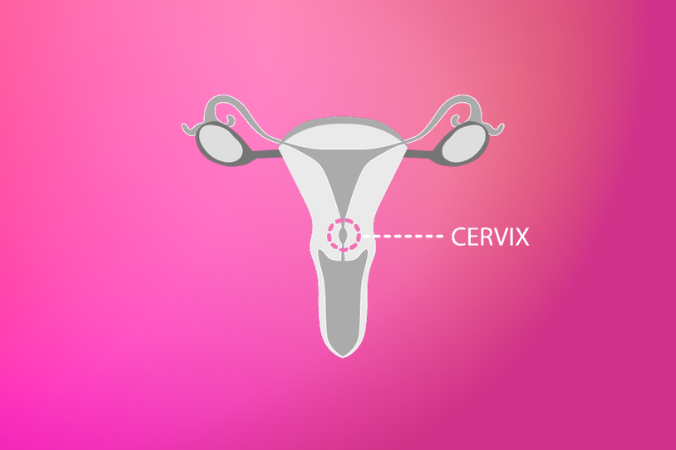
Cervical cancer
Cervical cancer affects the cervix, which is the lower part of the womb (uterus), extending into the upper part of the vagina. Cervical cancer is the second most common cancer among women aged 15–44. The greatest incidence is observed in Central and Eastern Europe, where women have more than twice the risk of developing cervical cancer and more than three times the risk of dying from the disease compared with their Western European counterparts.
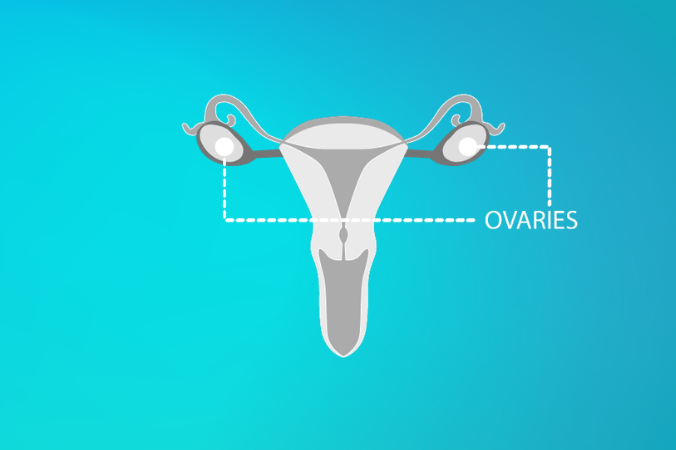
Ovarian cancer
Ovarian cancer affects the ovaries, two oval-shaped glands located on either side of the uterus/womb and just below the opening of the fallopian tubes. They are responsible for producing eggs, or ‘ova’, and releasing the female sex hormones oestrogen and progesterone. In Europe, ovarian cancer ranks as the eighth most common type of the disease and the fifth leading cause of cancer-related deaths among women.
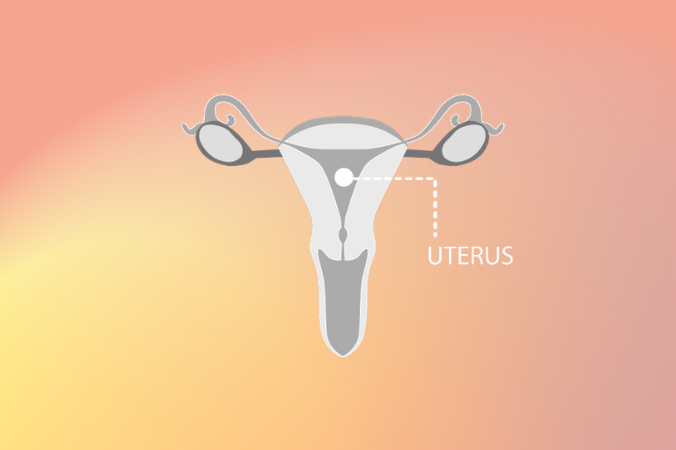
Endometrial cancer
Endometrial cancer affects the uterus, also known as the womb. While there are various uterine cancers, the majority originate in the cells of the endometrium. These cancers, known as endometrial adenocarcinomas, develop from the lining of the womb. The terms ‘uterine cancer,’ ‘endometrial cancer’ and 'womb cancer' are often used interchangeably. Endometrial cancers occur most frequently in high-income countries, with Europe ranking second among continents in the rates of both incidence and mortality in 2020.
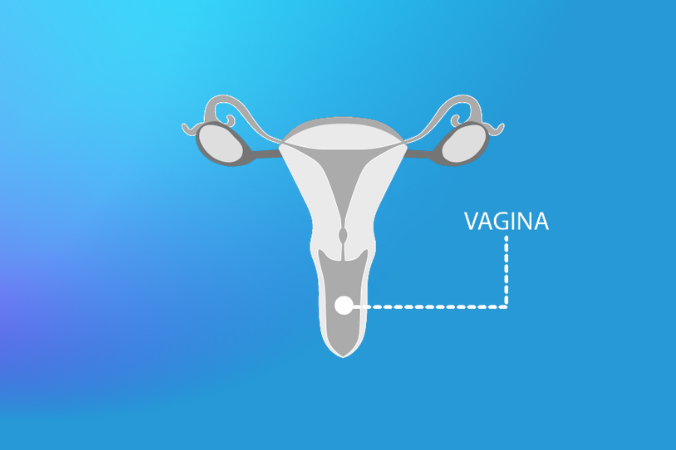
Vaginal cancer
Primary vaginal cancer, a rare type of the disease that develops in the vagina, accounts for less than 1–2% of all genital cancers in women. Vaginal cancer is often linked to the human papillomavirus (HPV) and other risk factors such as smoking, as well as to immunosuppression. This type of cancer is typically more common among older, postmenopausal women, but its incidence is rising in younger women due to HPV infections.
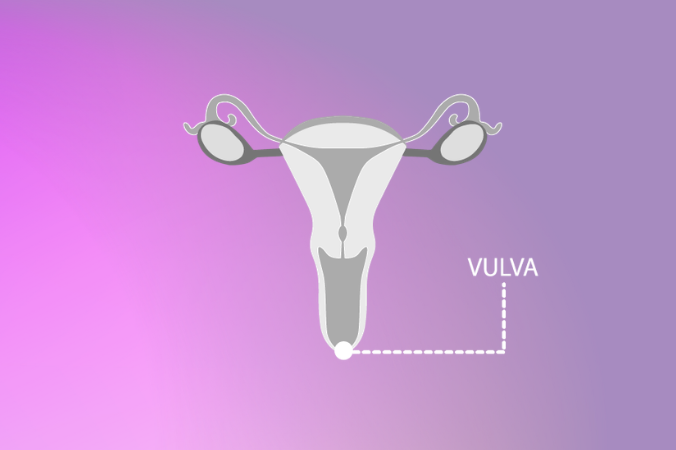
Vulvar cancer
Vulvar cancer is relatively rare, accounting for approximately 4% of all genital cancers in women. Historically viewed as a cancer affecting post-menopausal women, vulvar cancer has seen a shift in age of onset. Recent years have marked a decline in the mean age of diagnosis, largely due to an uptick in HPV infections globally. Women over 65 years old remain the most vulnerable to developing vulvar cancer. In 2022, Europe ranks second in vulvar cancer incidence and mortality compared with other continents.